Church of Apostles
Launceston, Tasmania
In the history of Tasmania, the Roman Catholic community encountered notable challenges in securing government support for their ministry and architectural endeavors, unlike their Anglican...
- Denomination
- Catholic
- Region
- North
- Year Built
- 1839–1842
- Architectural Style
- Church
- Heritage Status
- Heritage listed
Overview
In the history of Tasmania, the Roman Catholic community encountered notable challenges in securing government support for their ministry and architectural endeavors, unlike their Anglican and Independent counterparts. Undeterred by these obstacles, they embarked on a laborious fundraising campaign to erect a brick church between the years 1839 and 1842, dedicating it to St. Joseph. Renowned architect Robert de Little, drawing inspiration from his design for the Anglican church at Windermere, lent his expertise to the project, albeit with structural issues plaguing its integrity.
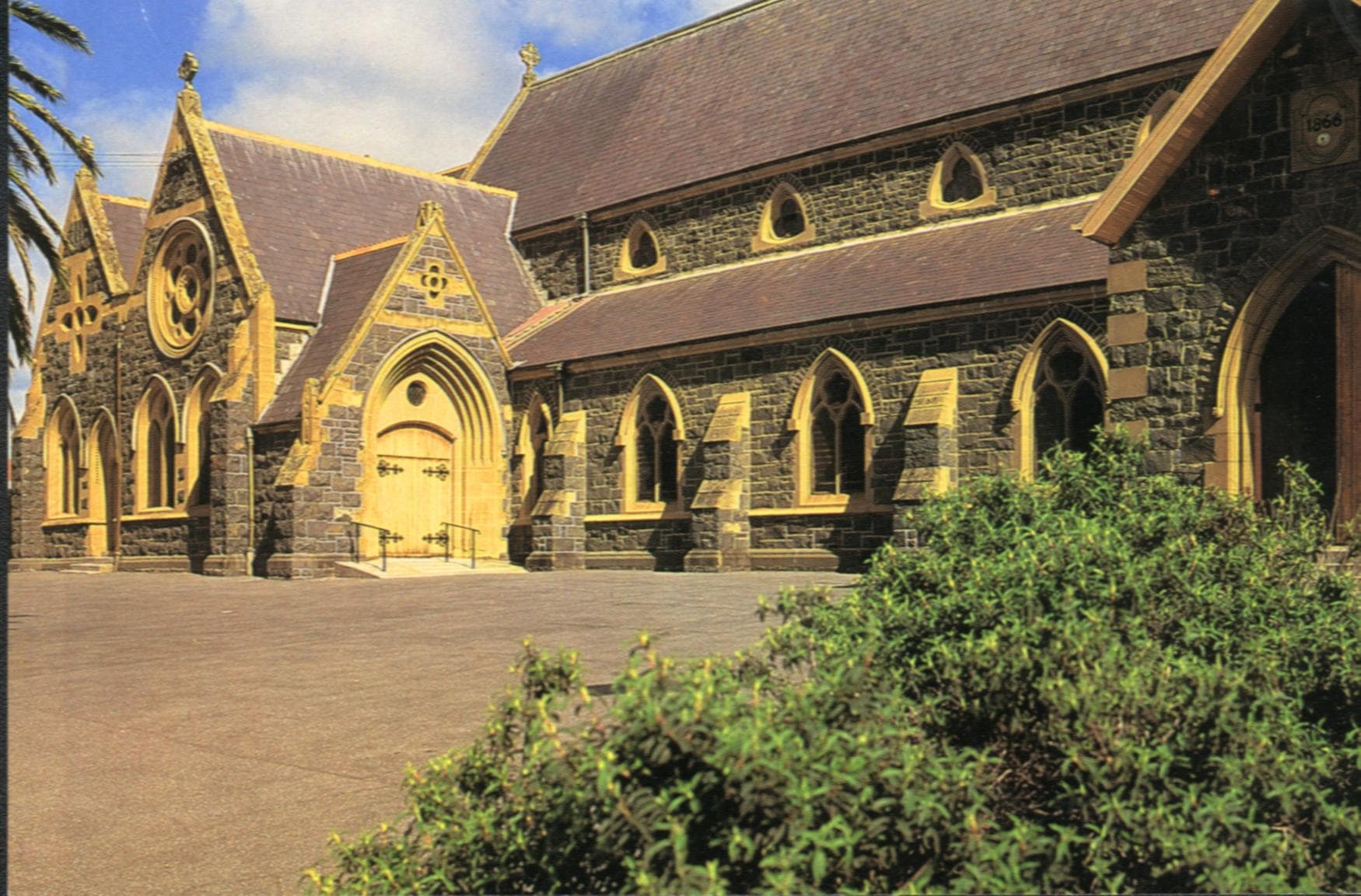
Amidst the structural challenges, an appeal for a new church was launched in 1857. The task of designing the new edifice fell to Hobart-based architect Henry Hunter, who crafted plans for a sturdy bluestone construction sourced from the nearby Cataract Hill quarry. The fruition of his design culminated in the opening of the new church in late 1866, marking a significant milestone in the Roman Catholic community's architectural journey.
In subsequent years, the church underwent notable expansions, notably in 1888 following Hunter's original design, albeit under the supervision of local architect Alexander North. The evolution of the church continued with the commencement of the tower in 1987, a feat requiring extensive groundwork with piles driven down 12 meters. The crowning achievement came with the installation of the majestic 18-meter copper-clad spire in 1990, accentuating the skyline with its graceful silhouette.
Within the tower resides a venerable bell, cast in 1876 by the esteemed Welsh Bell foundry in Dublin, alongside seventeen additional bells forged by the renowned Taylor Foundry in England, adding a melodic resonance to the church's architectural grandeur.
The church's musical legacy is upheld by its second organ, a masterpiece crafted by George Fincham & Sons Pty. Ltd. of Melbourne in 1933. Undergoing a significant upgrade in 1975, it succeeded its predecessor, an organ constructed by John Gray of London in 1842, thus perpetuating a tradition of musical excellence that resonates within the hallowed walls of St. Joseph's Church.
History
1839-1842
brick church erected and dedicated to St Joseph
built1842
earlier organ constructed by John Gray of London
built1857
appeal launched for a new church
foundedlate 1866
new church opened
opened1876
bell cast by the Welsh Bell foundry in Dublin
built1888
church expanded following Hunter's original design
extended1933
second organ made by George Fincham & Sons Pty Ltd of Melbourne
built1975
organ upgraded
renovated1987
tower construction commenced
built1990
copper-clad spire installed
built
Gallery
References
- The Weekly Courier newspaper, 09 Nov 1916, p. 17, photographer possibly C.P. RayTasmanian Pictorial Church Index
Links
- Launceston churches: collection of postcards, State Library of Tasmania
Tasmanian Pictorial Church Index
- Photograph - Launceston Views - East - Launceston from Cataract Hill. Photo by William Cawston, St John Street, Launceston. Awarded prize medal for architectural & landscape views, Melbourne, 1867. LPIC147/4/185
Tasmanian Pictorial Church Index
- Tasmanian Archives, Northern Tasmanian Camera Club album. no. 15 1892
Tasmanian Pictorial Church Index
Services
Still in use
Open
Not recorded
Address
40 Margaret Street, Launceston TAS 7250
Contact
Not recorded
Accessibility
Not recorded